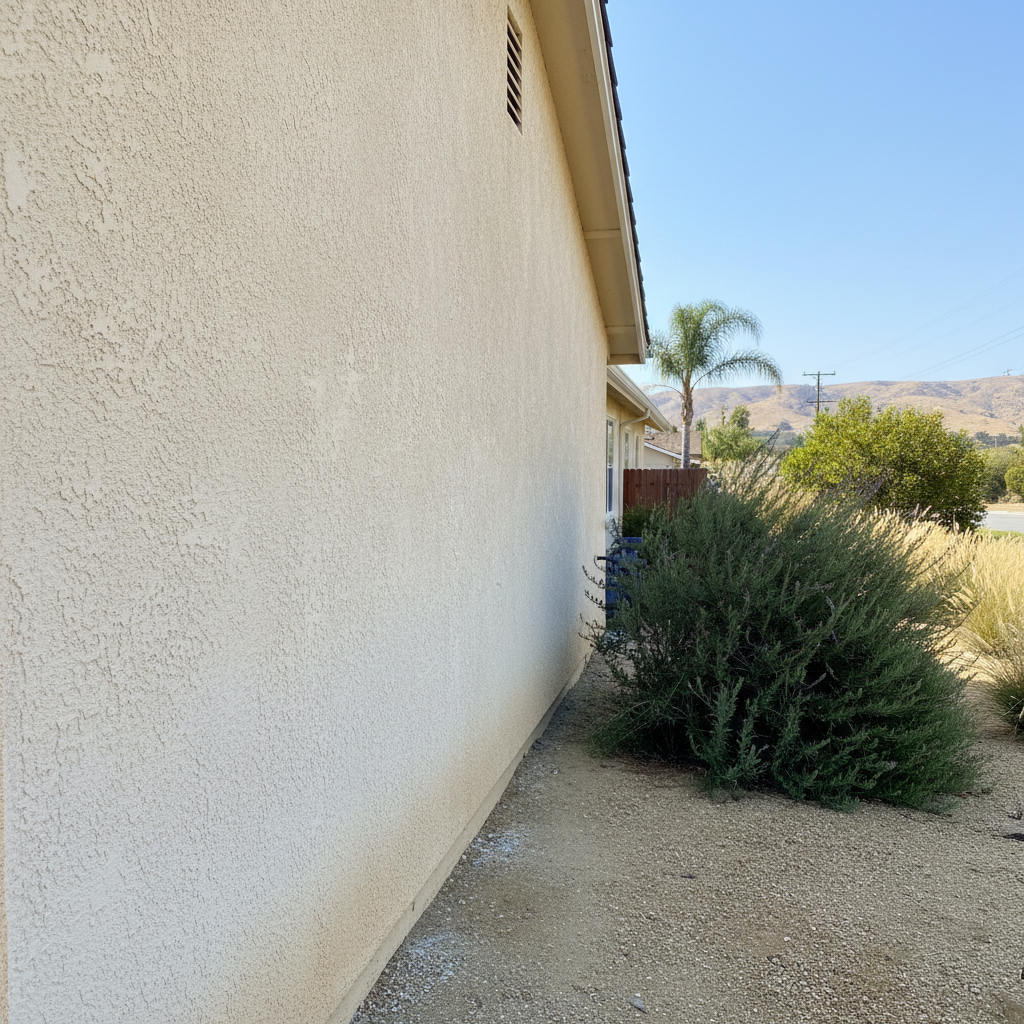
Stucco's tough, I'll give it that. It’s one of the best finishes for homes around here, especially with our dry, hot summers and occasional wet winters. But 'tough' doesn't mean 'indestructible' or 'maintenance-free.' Just like anything else on your house, a little regular attention goes a long way to prevent big headaches and expensive repairs down the road. You want your stucco to last, right? So let's talk about how to make that happen.
Extend the Life of Your Stucco Repair
You just had some stucco repaired, maybe after a plumbing leak or some impact damage. Great. Now, how do you make sure that repair lasts as long as the original finish, or even longer? First off, good repair starts with good materials and proper application. That's on us, and at Paradise Stucco, we stand by our work. But once we're done, it's in your hands to protect that investment.
The biggest thing is keeping water out. Our climate here in Azusa, even with less rain than other parts of the country, still sees enough to cause trouble if water gets behind the stucco. Make sure your gutters are clean and working right, directing water away from your foundation. Check your sprinkler heads too – you don't want them constantly spraying the side of your house. That constant dampness is an open invitation for trouble, softening the stucco and creating a perfect environment for mold or efflorescence.
Also, keep an eye on landscaping. Shrubs and trees growing too close to the house can trap moisture against the stucco and even scratch it up. Give your plants some breathing room, a good foot or two away from the wall.
Regular Stucco Maintenance: What to Do
Regular maintenance isn't rocket science, but it is important. Think of it like changing the oil in your car. A little effort now saves a lot later.
- Clean it regularly: Dust, dirt, and even smog from the 210 freeway can build up on your stucco. A gentle wash with a garden hose and a soft brush, maybe some mild detergent, can do wonders. Don't use a high-pressure washer unless you really know what you're doing, because you can actually damage the stucco or force water into places it shouldn't be.
- Inspect for cracks: Walk around your house every few months. Look closely at the stucco, especially around windows, doors, and where different materials meet. Small hairline cracks are often just surface-level and not a huge deal, but anything wider than a credit card or cracks that run through the entire wall should be looked at.
- Check seals and caulking: The caulk around your windows and doors, and where your stucco meets trim or other materials, is your first line of defense against water. If it's cracked, dried out, or peeling, it's not doing its job. Recaulk it with a good quality exterior sealant.
- Paint if necessary: If your stucco is painted, keep an eye on the paint condition. Fading or peeling paint isn't just an aesthetic issue; it can mean the stucco underneath isn't as protected as it should be.
Warning Signs of Stucco Problems
You don't need to be a stucco expert to spot trouble. Here are some red flags that tell you something's not right:
- Stains or discoloration: Dark streaks, especially under windows or near the roofline, often mean water is getting in. Green or black spots usually mean mildew or algae, which points to persistent moisture. White, powdery residue (efflorescence) means water is moving through the stucco and leaving mineral deposits.
- Bulging or soft spots: If you press on the stucco and it feels soft, or you see areas that look like they're bulging out, that's a serious sign of water damage and possibly rot underneath.
- Large or spiderweb cracks: While hairline cracks can be normal, cracks that are wide, deep, or form a spiderweb pattern over a large area indicate structural movement or significant water intrusion.
- Pest infestations: Termites, ants, or other pests love damp, dark places. If you see signs of pests around your stucco, it could mean there's moisture and damage behind it.
When to Call a Professional
Look, some things you can handle yourself. Cleaning, minor recaulking, even patching a tiny hairline crack. But for anything beyond that, you really should call in a pro. If you see those warning signs I just mentioned – widespread cracking, bulging, significant water stains, or anything that makes you scratch your head and worry – it's time to get an expert opinion.
Don't wait until a small problem becomes a huge, expensive nightmare. Catching issues early can save you thousands. Here in Azusa, we deal with a lot of older homes, some built on expansive clay soils that can shift, leading to stucco stress. That's why regular checks are so important. If you're unsure, just give us a call at Paradise Stucco. We'll come out, take a look, and give you an honest assessment. It's better to be safe than sorry when it comes to your home's exterior.