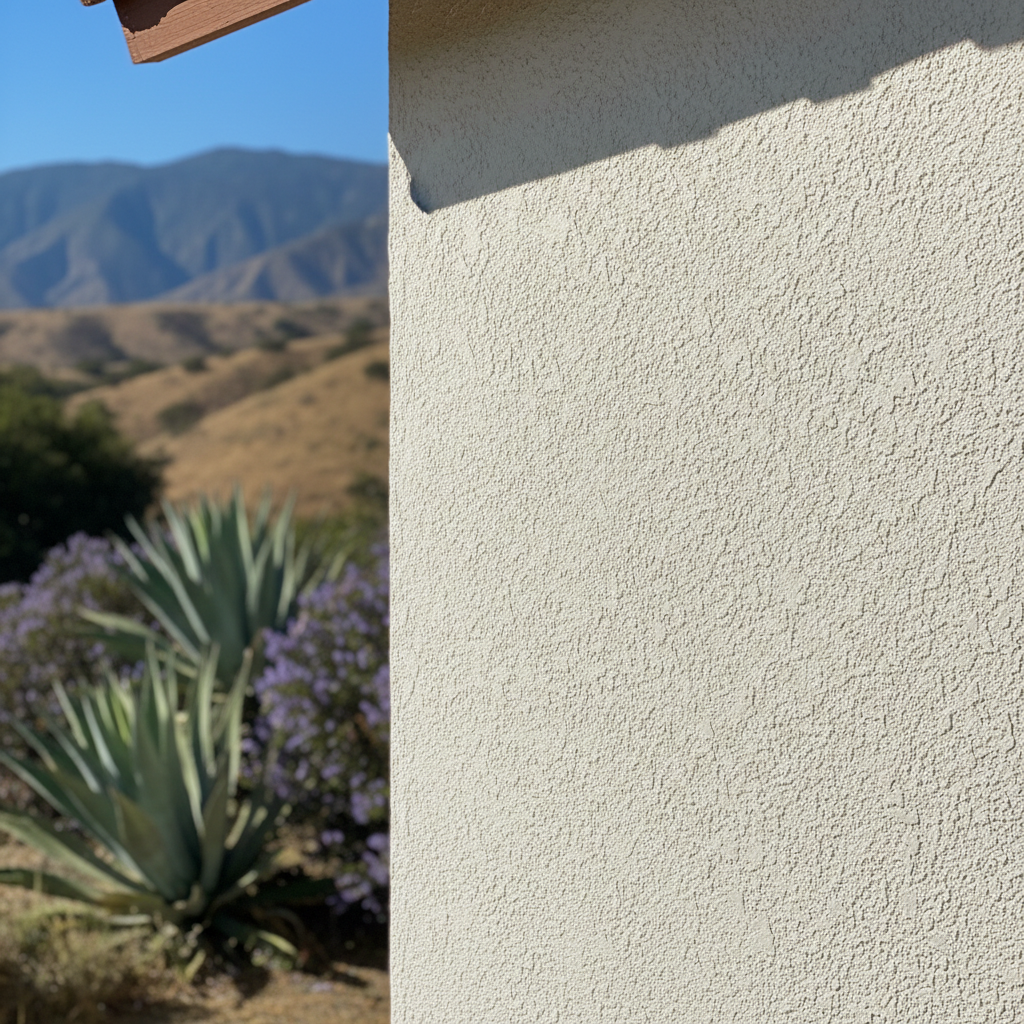
Alright, let's talk stucco. You've got it on your home, probably for years, and you might not think about it much until you see something that just doesn't look right. But regular inspections, even quick ones you do yourself, can save you a ton of headaches and cash down the road. I've seen it too many times here in Azusa – a small crack ignored turns into a big water problem. So, what do you need to know about keeping an eye on your stucco?
Before You Even Start Looking: Get Ready
Before you grab a ladder or even step outside, you need a plan. What are you actually looking for? It's not just about cracks, you know. It's about understanding what healthy stucco looks like and what red flags mean trouble.
- Know Your Stucco Type: Is it traditional three-coat stucco, synthetic (EIFS), or something else? Knowing this helps you understand its typical vulnerabilities. Most homes around Azusa, especially the older ones in the foothills, have traditional stucco, which is pretty tough but still needs attention.
- Gather Your Tools: You don't need much for a basic homeowner inspection. A good pair of binoculars for high spots, a flashlight for dark corners, a small hammer or a plastic mallet (or even your knuckles) for sounding, and a notepad or your phone to take pictures and notes.
- Pick the Right Time: A clear, sunny day is best. You want good light to spot subtle discoloration or hairline cracks. After a rainstorm can also be useful, as it might highlight areas where water is pooling or running in unexpected ways.
The DIY Stucco Inspection: What to Look For
This is where you get hands-on, or at least eyes-on. You're not trying to be a professional inspector; you're just looking for obvious signs of trouble. Think of it as a health check for your home's skin.
Visual Inspection: The Obvious Stuff
Start from the ground up, walking all the way around your house. Don't rush it. Take your time.
- Cracks: This is the big one. Hairline cracks are often just surface-level and usually not a huge concern, especially in older stucco as the house settles. But look for wider cracks (wider than a credit card), spiderweb patterns, or cracks that run horizontally or vertically for long distances, especially around windows and doors. Those can be signs of structural movement or water intrusion.
- Discoloration or Stains: Dark streaks, green patches, or rust-colored stains are bad news. Dark streaks often mean water is getting in somewhere above and running down. Green patches are usually algae or mold, indicating persistent moisture. Rust stains could be from metal flashing or fasteners failing behind the stucco.
- Bulges or Blisters: If the stucco looks like it's puffing out or has bubbles, that's a serious sign of delamination, where the stucco is separating from the wall sheathing. Water is almost certainly trapped behind there.
- Efflorescence: This looks like a white, powdery substance on the surface. It's mineral salts left behind when water evaporates from within the stucco. It means water is getting in and moving through the wall.
- Missing or Damaged Flashing: Flashing is that metal or plastic barrier around windows, doors, and rooflines designed to direct water away. If it's bent, cracked, or missing, water is going to find its way in. Check where your roof meets a stucco wall – that's a common failure point.
- Stucco-to-Ground Clearance: Your stucco shouldn't touch the dirt. Ideally, you want at least 6-8 inches of clearance between the bottom of the stucco and the soil. If it's buried, moisture from the ground can wick up into the wall, causing all sorts of problems.
Sounding Inspection: What's Behind the Wall?
This is where your hammer or knuckles come in. Gently tap the stucco in various places. You're listening for a change in sound.
- Solid Sound: A firm, solid tap usually means the stucco is well-adhered and in good shape.
- Hollow Sound: A hollow, drum-like sound can indicate that the stucco has separated from the lath or the wall sheathing. This is called delamination and it's a major red flag for water intrusion and potential rot underneath.
- Soft Spots: If you can press into the stucco and it feels soft or spongy, that's a definite sign of moisture damage and likely rot in the sheathing or framing behind it. Don't push too hard, you don't want to make things worse!
When to Call a Pro: Don't DIY Everything
Look, you can do a pretty good job spotting the obvious stuff. But there are times when you absolutely need to bring in someone who does this for a living. This isn't just about patching a crack; it's about protecting your biggest investment.
- Any Sign of Water Intrusion: If you see persistent staining, bulges, or hollow sounds, especially around windows, doors, or at the base of the wall, don't mess around. Water damage behind stucco can be extensive and expensive to fix if not caught early.
- Large or Structural Cracks: Cracks that are wide, long, or form a distinct pattern (like a stair-step crack in a foundation or a horizontal crack across a wall) could indicate structural issues with your home, not just the stucco itself.
- Persistent Mold or Mildew: If you're constantly scrubbing green stuff off your stucco, especially in shaded areas or where sprinklers hit, it means there's a continuous moisture source. A pro can identify the root cause.
- Before Buying or Selling: If you're buying a home with stucco, a professional inspection is non-negotiable. For sellers, addressing potential stucco issues upfront can prevent headaches during escrow.
- After a Major Event: A small earthquake (we get 'em here in Azusa), a significant plumbing leak, or even a car hitting the house – anything that could stress the structure warrants a professional look.
A good stucco contractor, like us at Paradise Stucco, has specialized tools and experience to look beyond the surface. We can use moisture meters to detect hidden water, and we know exactly what to look for in terms of proper flashing, weep screeds, and drainage. Sometimes, what looks like a small problem on the outside is a much bigger one underneath. We can also tell you if your stucco is just old and needs a refresh, or if it's failing and needs more serious attention.
After the Inspection: What's Next?
So you've done your walk-around, maybe you've called a pro. Now what?
- Document Everything: Keep notes and photos of any issues you found, even if they seem minor. This creates a history for your home.
- Prioritize Repairs: Not all problems are equal. Water intrusion issues should always be at the top of your list. Cosmetic cracks can often wait, but don't let them go too long.
- Get Multiple Quotes: If you need professional repairs, get quotes from a few reputable stucco contractors. Make sure they clearly explain what they'll do, why it's necessary, and what kind of warranty they offer.
- Regular Maintenance: Once you've addressed any problems, make a habit of doing a quick visual inspection of your stucco every spring and fall. A few minutes of your time can save you thousands later.
Your stucco is tough, it really is. But it's not invincible. A little bit of proactive looking and listening can go a long way in keeping your Azusa home protected and looking good for years to come.