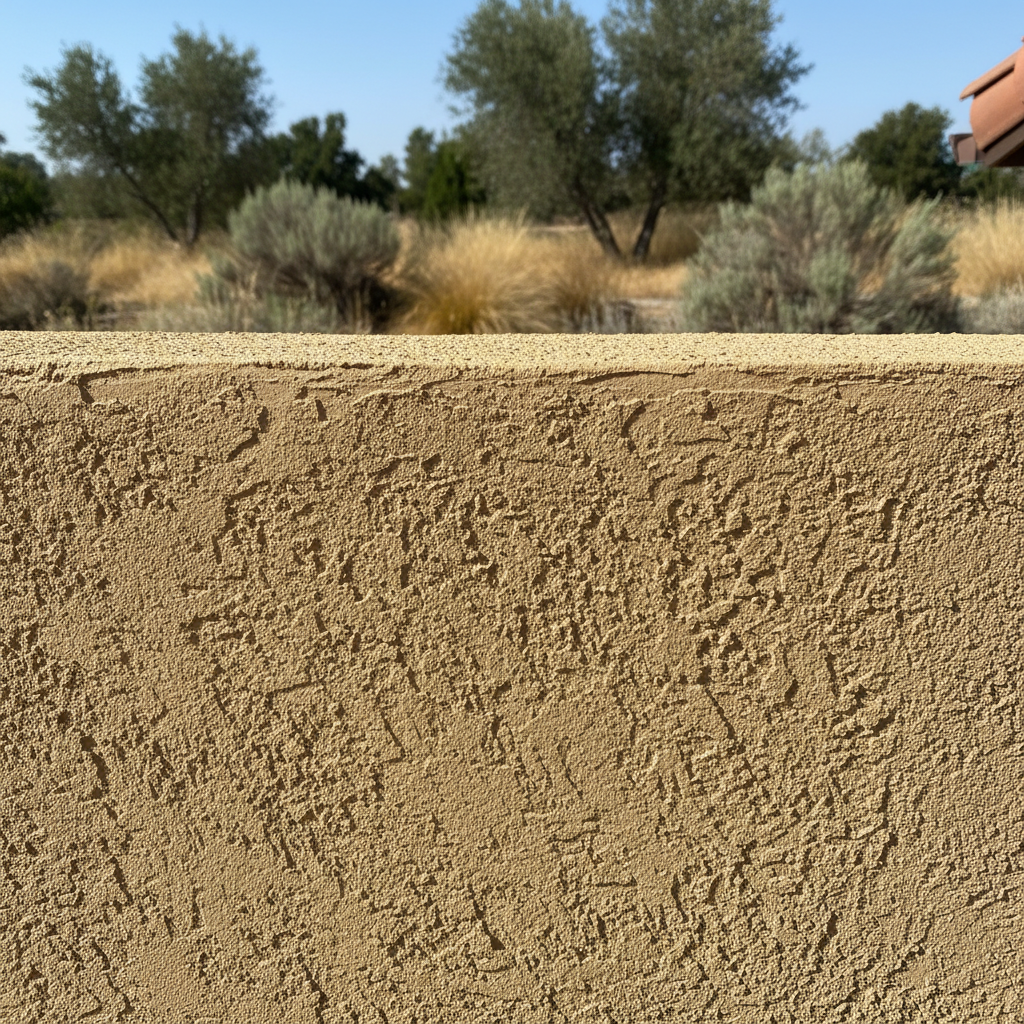
So, your stucco's looking a bit tired, huh? Maybe it's faded, got some minor cracks, or you just want a fresh color. Redashing can totally transform your home's curb appeal without the huge cost of a full tear-off and re-stucco. But before you grab a trowel, you really need to know what you're getting into. This isn't just slapping on some mud; there's a real art and a bit of science to doing it right.
What Even IS Redashing?
Simply put, redashing means putting a new finish coat of stucco right over your old one. It's not for fixing big structural problems or widespread damage, but it's perfect for cosmetic upgrades. Think of it like a fresh coat of paint, but way more durable and with a lot more texture. It can hide minor flaws, change the color, or even alter the texture if you're looking for something different.
Before You Even Think About Starting
First things first: check your existing stucco. This step is super important. If you've got major cracks, crumbling bits, or signs of water getting in (like dark streaks or bulging sections), redashing won't fix it. You absolutely have to take care of those underlying problems first. Redashing over bad stucco is like putting a band-aid on a broken leg – it just won't hold up, and you'll end up wasting time and money. Tap the wall to check for hollow spots; if it sounds hollow, you've got delamination, and that needs a proper repair, not just a redash. If your stucco is in pretty good shape, just a bit worn or discolored, then you're a good candidate for redashing.
Next, clean the surface really well. Power washing usually does the trick, but be careful not to blast off loose material or force water behind the stucco. Let it dry completely, too. Any dirt, grime, or loose paint will stop the new stucco from sticking properly. You'll also need to mask off windows, doors, and anything else you don't want stucco on. This takes time, sure, but it's worth every minute to avoid a huge cleanup job later.
DIY vs. Calling Paradise Stucco
Alright, here's where we get real about what you can realistically do yourself versus when to call a professional like us at Paradise Stucco.
- Small Patch Jobs & Minor Redashing: If you're just doing a small section, say a low wall or a small area that needs a refresh, you might be able to tackle it. You'll need to buy pre-mixed stucco finish (or mix your own, which, frankly, is a whole other skill), a hawk, and a trowel. Practice on a scrap piece first. Matching existing textures and colors is incredibly hard, so be prepared for it to look a little different.
- Color Change & Full Home Redash: This is almost always a job for the pros. Why? Consistency. Getting a uniform color and texture across an entire house is incredibly difficult for an amateur. You'll see lap lines, inconsistent textures, and color variations if you don't know what you're doing. Plus, working with stucco takes speed and skill. It dries fast, especially here in Azusa with our dry, warm days, and you don't get many second chances.
- Texture Matching: Want to match your existing texture, like a Santa Barbara smooth or a dash finish? This is where experience really counts. A good stucco contractor can match virtually any existing texture, making the new work blend in perfectly.
- Scaffolding & Safety: If you've got a two-story house or high walls, working safely on scaffolding is a big deal. Professionals have the right equipment and training. Don't risk a fall trying to save a few bucks.
Honestly, for anything more than a tiny patch, I'd recommend getting a few quotes. You'll get a much better, longer-lasting result, and you won't be kicking yourself for a botched DIY job down the line. We've seen plenty of homeowners try to redash their entire house, only to call us in to fix the mess. It usually ends up costing them more in the long run, wouldn't you say?
During the Project (Whether it's You or Us)
If you're doing a small section, try to work in the shade if possible, or on a cooler day. Direct sun will make the stucco dry too fast, making it hard to work with. Keep your tools clean. Apply the stucco in thin, even coats, building up to your desired thickness and texture. Don't try to do it all at once.
If you've hired us, you won't have to worry about any of this. We'll handle the prep, the application, and the cleanup. We'll make sure the color is consistent and the texture is exactly what you want.
After the Redash
Once the new stucco is on, it needs to cure properly. This means keeping it moist for a few days, especially in our Azusa climate. Lightly misting it with water a few times a day helps prevent cracking and ensures it hardens correctly. Don't go crazy with the hose, just a gentle mist. Keep an eye on the weather; you definitely don't want a heavy rainstorm hitting fresh stucco. Once it's fully cured, you'll have a beautiful, refreshed exterior that'll last for years.
Redashing is a fantastic way to give your home a facelift. Just be honest with yourself about your skills and the scope of the project. For most homeowners, especially for a whole house, bringing in a pro is the smartest move. You'll get a professional finish that adds real value and beauty to your home.