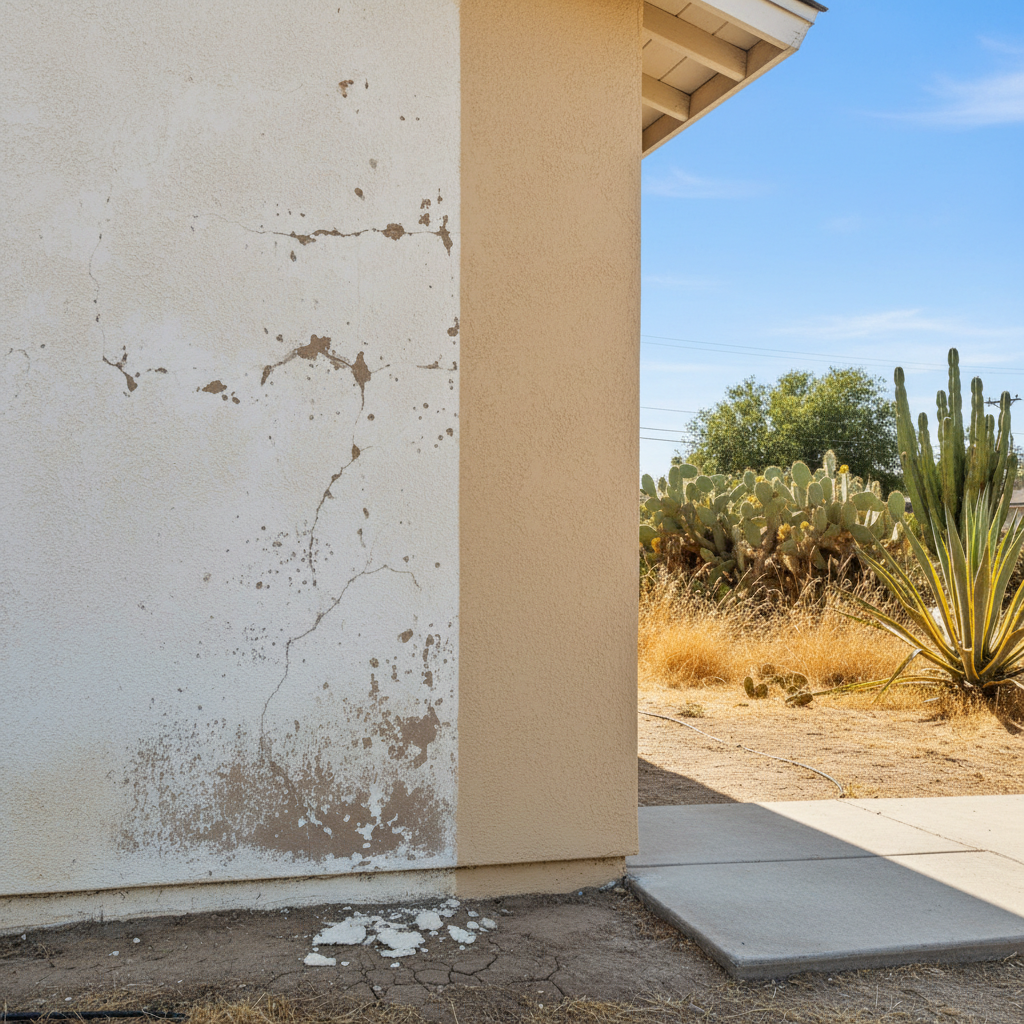
So, you're thinking about painting your stucco house, huh? Smart move! It's honestly one of the best ways to protect your investment and make your place look sharp. But as soon as you start looking at paint, you'll hit a fork in the road: do you stick with regular acrylic latex, or do you go for an elastomeric coating? It's a question I hear all the time here at Paradise Stucco, and it's a good one because the right answer really depends on your house and, let's be honest, your wallet.
Standard Acrylic Latex: The Usual Suspect
Let's kick things off with what most folks picture when they say 'house paint.' That's usually a decent exterior acrylic latex. You can find it everywhere, it comes in every color under the sun, and most painters are pretty comfortable working with it. For a lot of homes, especially those with newer stucco that's in great shape, it does a perfectly fine job.
- Cost: This is where standard paint truly shines. It's way cheaper per gallon than elastomeric, and the labor costs are usually lower too since it's quicker and easier to put on. If you're watching your budget, this is your friend.
- Appearance: You get a crisp, clean look. It dries to a nice, even finish, and matching colors is a breeze. Your house will look brand new, no doubt about it.
- Durability & Maintenance: A good quality acrylic latex will shield your stucco from the elements for a few years. You'll probably get 5-7 years out of it before you start seeing real wear, fading, or chalking, especially with that intense Azusa sun we get. It breathes, which is super important for stucco, letting moisture vapor escape. Keeping it clean is pretty simple: a gentle power wash every couple of years should do the trick.
The main drawback? It's not very flexible. If your stucco has hairline cracks or tends to get them (which can totally happen with older homes or if the ground shifts a bit, like it sometimes does around the foothills), standard paint won't cover those. The cracks will show right through, and water can sneak in.
Elastomeric Coatings: The Tough Guy Option
Now, let's chat about elastomeric paint. This stuff is a whole different animal. It's made specifically for stucco and masonry surfaces, designed to stretch and move right along with the material underneath. Think of it like a thick, flexible skin for your house, protecting it from the elements.
- Cost: This is where it gets more expensive. Elastomeric coatings cost a lot more per gallon, sometimes two or three times what premium acrylic latex does. Putting it on can also take more effort because it's thicker and often needs special spray gear or more careful rolling. So, yeah, expect your total project cost to be higher.
- Appearance: It's a thicker coating, so it might look a little less 'crisp' than standard paint, especially on really fine textures. But it definitely gives a very uniform, protective finish. It won't hide major stucco damage, but it will smooth over minor imperfections and those small cracks.
- Durability & Maintenance: This is the big selling point, right here. Elastomeric coatings are incredibly tough. They can last 10-15 years, sometimes even longer, before you need to repaint. Their main benefit is that flexibility. They can bridge hairline cracks up to 1/16th of an inch, stopping water from getting in. This is huge for stucco, especially in places where you get big temperature swings or minor ground movement. It's also very water-resistant, almost like a waterproofing layer, but still lets the stucco breathe. Maintenance is similar to standard paint – regular cleaning will keep it looking good.
The main problem, besides the cost, is how thick it is. If someone applies it wrong, or if there are existing moisture problems, it can sometimes trap moisture behind it, leading to bigger headaches later. That's why proper prep and application are absolutely, critically important with elastomeric.
My Recommendation for Azusa Homeowners
Alright, so which one should you pick for your Azusa home? Here's my take.
If your stucco is fairly new, in excellent shape with no visible cracks, and you're planning on selling in the next few years, a good quality standard acrylic latex paint will probably do the trick. You'll save some cash upfront, and it'll look fantastic for a solid 5-7 years.
However, if your stucco is older, has some hairline cracks, or you're planning on staying in your home for the long haul, I almost always suggest going with an elastomeric coating. Our climate here in Azusa, with those hot summers and occasional rain, can really beat up stucco. That flexibility and waterproofing ability of elastomeric paint is a huge plus. It's a bigger investment initially, but it really pays off in durability, less maintenance, and better protection against moisture and cracking over the long run. Think of it as buying some peace of mind.
No matter which way you lean, the most important thing is proper surface preparation. Cleaning, fixing any existing damage, and priming are non-negotiable. Don't skimp on the prep, or even the best paint won't perform the way it should. Give us a call at Paradise Stucco if you want to chat through your options or get a quote. We're always happy to help you make the right choice for your home.