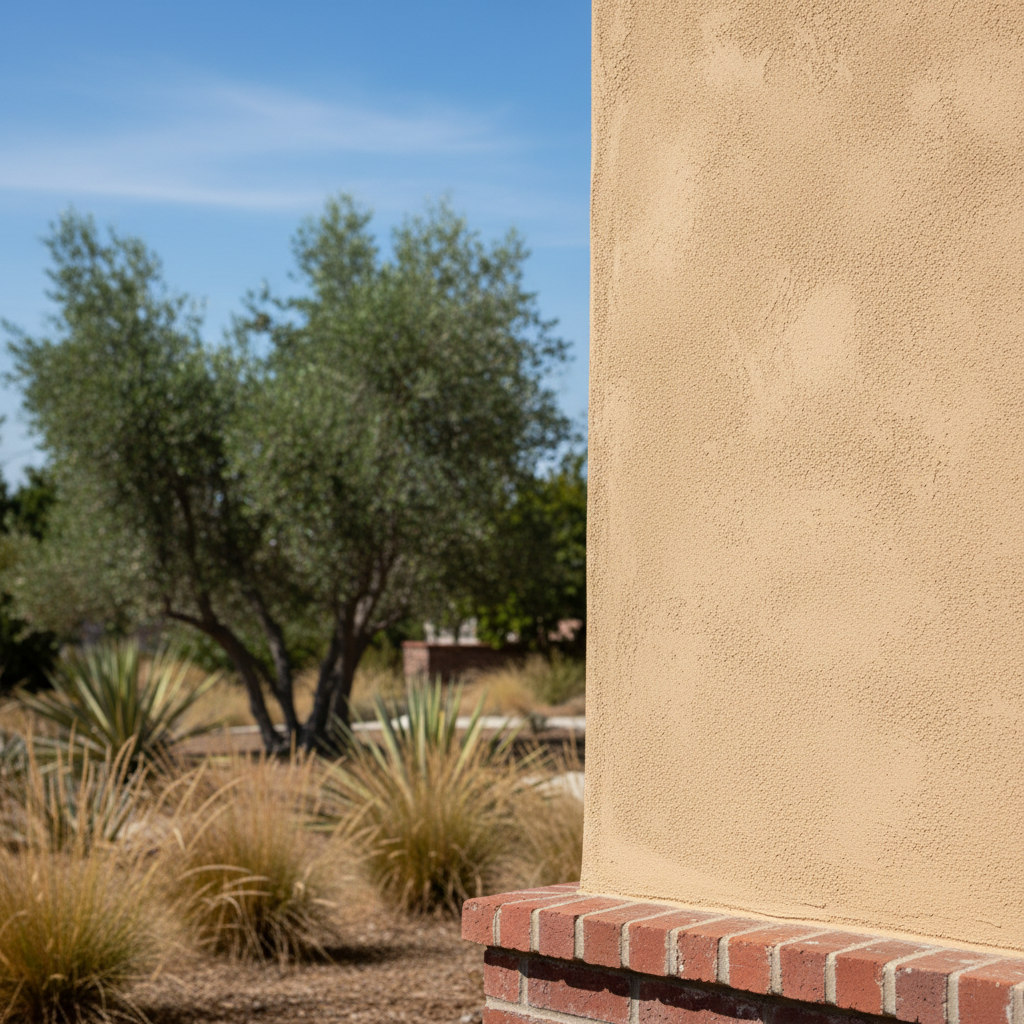
Do I really need to remove my old stucco, or can I just repair it?
That's the big question, isn't it? And honestly, it really just depends. If you've only got a few cracks here and there, maybe some minor water stains, and everything else looks solid, then yeah, repairs are usually the smart move. We can patch it up, blend the texture, and often make it look good as new. But if your stucco is truly ancient, crumbling in lots of spots, showing signs of widespread water getting behind it, or if you're dealing with serious structural damage underneath, then taking it all off might be your best bet. Sometimes, people just want a completely different look, and that's a perfectly good reason too. I've seen homes in the older parts of Azusa, especially those built in the 50s and 60s, where the original stucco has simply reached the end of its life. It's not just about how it looks; it's about keeping your home sound.
What's the typical process for stucco removal?
It's not just a matter of grabbing a hammer and chipping away, trust me. First, we'll do a really thorough inspection to figure out what's underneath and what kind of challenge we're facing. Then, we'll get the area ready by protecting your landscaping, windows, and doors—you certainly don't want stucco dust everywhere. Next comes the actual removal. Depending on the type of stucco and what's beneath it, we might use hand tools, power tools, or a mix of both. We carefully chip away the old stucco, right down to the sheathing or framing. Once it's off, we check the substrate for any damage like rot or mold, which often happens in places where water has seeped behind the stucco. Any problems get fixed right then. After that, we prepare the surface for whatever new siding you've picked out, whether that's new stucco, wood, or something else. It's a pretty messy job, but we're super careful about cleaning up as we go and especially when we're finished.
How long does stucco removal usually take?
This is another one where there's no single answer, but I can give you a rough idea. For an average-sized single-story home in Azusa—let's say around 1,500 to 2,000 square feet—the removal itself might take anywhere from a few days to a week. That's just for taking it off. If we uncover major damage underneath that needs fixing, that'll add time. And then, of course, putting up your new siding will have its own timeline. A two-story house, or one with intricate architectural details, will naturally take longer. Access can also play a role; if we need scaffolding or have tight spaces to work in, it can slow things down a bit. We always try to give you a realistic timeline upfront, once we've had a chance to see your specific property.
What's the cost of removing old stucco?
Cost is always a big concern, and rightly so. Stucco removal isn't a cheap DIY project, and it's definitely not something you want to cut corners on. The price varies widely based on several factors: your home's size, the complexity of the architecture (lots of corners, windows, or fancy designs will cost more), how many layers of stucco are there, and what condition the underlying structure is in. If we find extensive dry rot or termite damage, those repairs will be an extra expense. Getting rid of the old stucco debris also factors into the price. Generally, you're looking at a cost per square foot, but that can change. I can't give you an exact number without seeing your house, but it's a significant investment. Think of it as an investment in your home's long-term health and value, you know?
Will removing stucco damage my home's structure?
If experienced professionals do the job right, no, stucco removal shouldn't damage your home's structure. In fact, it often uncovers and lets us fix existing damage that the stucco was hiding. The key is careful, controlled removal. We take precautions to protect windows, doors, and other vulnerable areas. Problems can pop up if someone tries to rush the job or uses the wrong techniques, which can lead to gouges in the sheathing or damage to the framing. That's why hiring a reputable contractor like Paradise Stucco, who really knows their stuff, is so important. We're not just ripping it off; we're systematically taking it apart to get ready for the next phase of your home's exterior.
What are my options for new siding after stucco removal?
Once the old stucco is gone, you've got a fresh canvas! Many homeowners choose to go back with new stucco, but often with a modern finish or color that wasn't available before. Other popular options include fiber cement siding (like Hardie board), which is super durable and comes in all sorts of styles, or even traditional wood siding for that classic look. Stone veneer or brick can also be added for accents or full coverage. Some folks even mix and match materials for a unique aesthetic. What you pick depends on your personal style, your budget, and your home's architectural style. We can definitely talk through the pros and cons of each option and help you choose something that'll look fantastic and hold up to our Azusa weather.